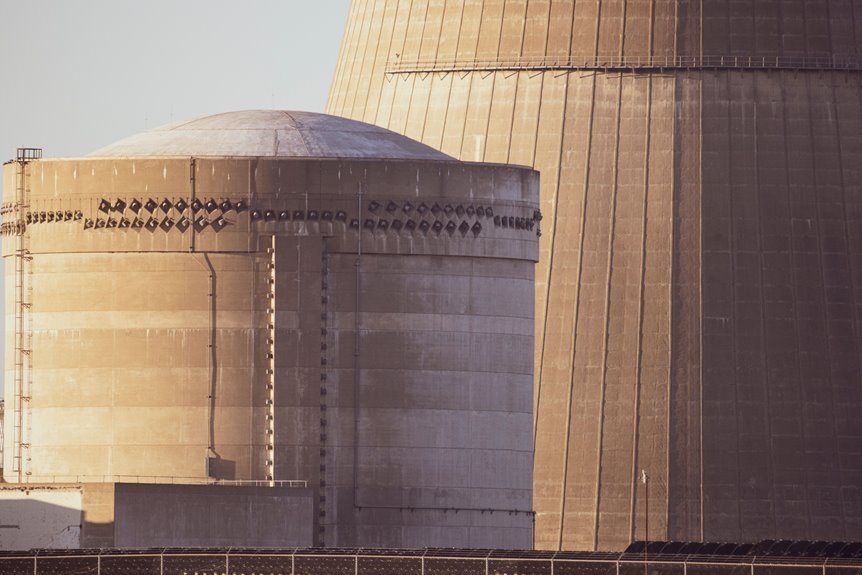
The InfinityGrid Signal Reactor presents a modular, energy-minned system for structured signal mapping, anchored by a 96x46x33 form factor. Core specs emphasize calibration, thermal management, and disciplined infrastructure governance. Numeric identifiers illustrate tagging challenges and the need for explicit mapping rules. Deployment workflows prioritize reproducible setups, governance, and feedback-driven optimization within autonomous lab environments. The discussion invites scrutiny of integration, monitoring, and the path toward scalable, resilient operation amid evolving lab requirements.
What Is the Infinitygrid Signal Reactor and Its Core Specs
The Infinitygrid Signal Reactor is a compact, modular energy device designed to convert ambient electromagnetic or specialized input signals into usable electrical power. It operates through discrete modules, each with defined interfaces and performance envelopes. Core specifications emphasize output stability, efficiency, and thermal management. Calibration protocols ensure accuracy, while safety considerations govern fault handling, enclosure standards, and safe commissioning procedures for unrestricted, freedom-oriented deployment.
How the 96x46x33 Form Factor Supports Scalable Signal Mapping
The 96x46x33 form factor enables scalable signal mapping by providing a compact, grid-aligned footprint that accommodates modular input channels with consistent interconnect spacing. This structure supports disciplined infrastructure governance and structured data normalization, enabling predictable expansion. Clear channel delineation, repeatable layout rules, and standardized interfaces reduce integration risk while preserving flexibility for evolving signal topologies and independent subsystem scaling.
Interpreting the Numeric Identifiers: 7275507493, 8432127679, 8449891690, 4372474368
Is there a pattern underlying the four numeric identifiers—7275507493, 8432127679, 8449891690, 4372474368—that clarifies their role within the InfinityGrid system?
The four codes exemplify interpretation challenges inherent in symbolic tagging, not simple sequencing. They foreground mapping ambiguities: identifiers may reflect contextual metadata, hierarchy, or stochastic assignment, complicating deterministic interpretation and demanding explicit mapping rules for reliable data navigation.
Deployment Workflows: Integration, Monitoring, and Optimization for Labs
Deployment workflows in lab environments require a structured approach to integration, continuous monitoring, and performance optimization. The piece examines deployment workflows across integration monitoring cycles, emphasizing reproducible setup, minimal downtime, and clear governance. It details workflow design principles, aligns tools with validation processes, and supports optimization labs through metrics, feedback loops, and scalable architectures while preserving autonomy and freedom for researchers and operators.
Frequently Asked Questions
What Are Potential Failure Modes Not Covered in Core Specs?
Potential failure modes beyond core specs include environmental stress, human factors, retrofits, and software glitches. These can impact maintenance planning and timing, with cascading effects on reliability. Maintenance impact requires robust monitoring, redundancy, and proactive mitigation strategies.
How Does Maintenance Impact Long-Term Grid Stability?
Symbolic cadence frames the answer: Maintenance impact upon system rhythm; over time, edges loosen, currents stutter, yet disciplined care can sustain Long term stability, aligning components, operators, and safeguards toward resilient, adaptable grid performance, liberté-minded, precisely.
Are There Industry Standards for Data Privacy in This System?
There are industry standards; the system should implement data governance and privacy by design. The framework ensures accountable data handling, risk reduction, and transparent access controls, aligning operational freedom with regulatory expectations and trusted, auditable practices.
What Are Cost-Effective Retrofit Options for Legacy Labs?
Coherence emerges when retrofit budgeting aligns with pragmatic constraints; retrofit options for legacy labs favor modular upgrades and scalable controls. This approach supports legacy optimization, minimizes disruption, and preserves core capabilities while advancing safety and data handling.
How Is User Authentication Managed Across Multi-Site Deployments?
User authentication in multi site deployments relies on centralized identity, federated credentials, and synchronized access policies; potential failure modes include latency, token revocation delays, and network partitioning, influencing maintenance impact, data privacy standards, retrofit options for legacy labs.
Conclusion
The InfinityGrid Signal Reactor stands as an audacious leap in modular energy mapping, its 96x46x33 frame a cathedral for scalable signal discipline. In the lab’s ecosystem, calibration, thermal management, and governance converge into a single, titanium-quiet heartbeat that powers reproducible setups and fearless optimization. The numeric tags—7275507493, 8432127679, 8449891690, 4372474368—do not merely identify; they crystallize explicit mapping rules. Deployment workflows become precise rituals, transforming uncertainty into a rigorously orchestrated, feedback-driven laboratory symphony.