Latest Posts
- When Should You Contact a VA Disability Claim Lawyer?

- Security Considerations for Sidechains

- Scalability Challenges for Layer 1 Chains
- How Self-Healing Networks Reduce Downtime

- How Self-Driving Databases Work

- OmegaFusion Intelligence Register – 5124107876, 2317360708, 9738810100, 3294918307, 18889841903

- HelioVertex Security Framework – 8446149088, 9085339038, 2812053796, 7869669510, 18002819799
- AstralPulse Network Blueprint – 5735253056, 7376108098, 3807985310, 6143801777, 7323225673

- TitanMatrix Operational Archive – 6057917592, 3444078373, 7039727517, 8665326646, 5168128999

- CipherOrbit Synchronization Ledger – 18003997189, 9057558201, 2109873496, 8337930746, 2109423035

- ApexSphere Validation Grid – 3761760427, 4056488531, 8086932222, 6139001154, 8168752200

- FusionBridge Integrity Console – 2315981817, 9094676085, 8174761844, 5025155312, 8885502127

- EchoWave Data Coordination Hub – 7059952829, 5164226400, 2342311874, 7577121475, 7402364407

- NovaCircuit Tracking Capsule – 3613606709, 3534477698, 886279325026, 6162528300, 7037770280

- SolarTitan Authentication Nexus – 18667478132, 8187867376, 3518662686, 7137999975, 4307585386
Flexiturf: A Complete Guide to Modern Synthetic Turf Solutions
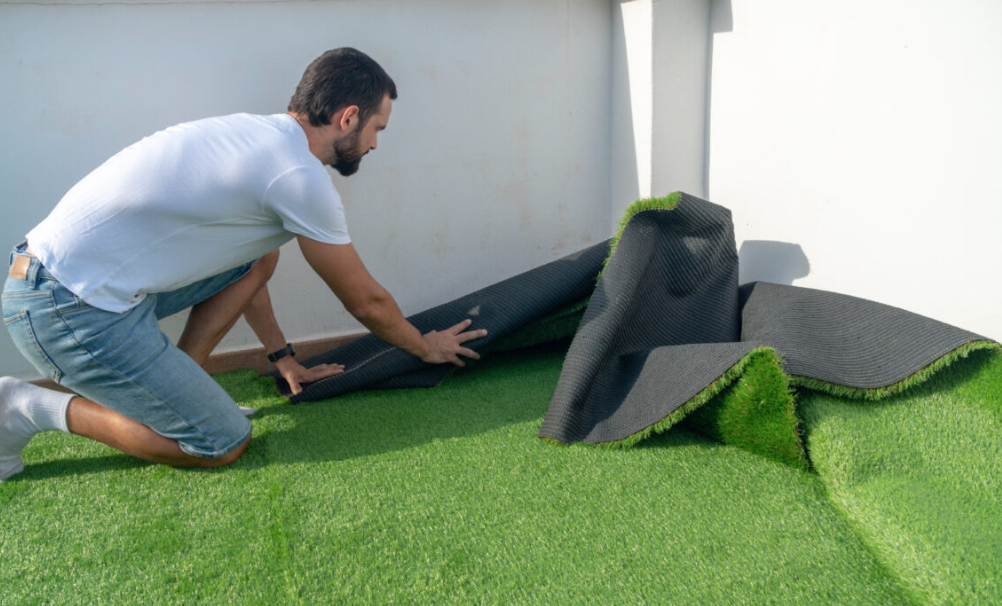
Flexiturf is becoming a well-known name in the world of synthetic grass and modern landscaping solutions. As more people look for low-maintenance and durable alternatives to natural grass, Flexiturf is gaining popularity for its quality, versatility, and long-lasting performance.
This article provides a complete overview of Flexiturf, including what it is, its features, benefits, and why it is widely used in residential, commercial, and sports environments.
Introduction to Flexiturf
Flexiturf is designed to offer a realistic and practical alternative to natural grass. It is commonly used in areas where maintaining real grass is difficult, expensive, or time-consuming.
The demand for artificial turf solutions like Flexiturf has increased due to changing lifestyles and environmental concerns. People now prefer solutions that save water, reduce maintenance, and provide consistent results throughout the year.
What is Flexiturf?
Flexiturf is a type of high-quality synthetic turf made from durable materials that mimic the look and feel of natural grass. It is engineered to withstand heavy use while maintaining its appearance over time.
Core Purpose of Flexiturf
The main purpose of Flexiturf is to provide a reliable and long-lasting grass alternative that requires minimal upkeep. It is especially useful in areas where natural grass struggles to grow.
Where Flexiturf is Used
Flexiturf is commonly used in:
- Residential lawns and gardens
- Sports fields and playgrounds
- Commercial landscapes
- Rooftops and indoor spaces
- Event areas and decorative setups
Why Flexiturf is Gaining Popularity
Flexiturf is becoming increasingly popular because it solves many problems associated with natural grass.
Low Maintenance Requirements
Unlike real grass, Flexiturf does not require watering, mowing, or fertilizing. This makes it ideal for busy individuals and organizations.
Water Conservation
With growing concerns about water usage, Flexiturf helps reduce water consumption significantly.
All-Weather Performance
Flexiturf maintains its appearance in all weather conditions, whether it is hot, cold, or rainy.
Key Features of Flexiturf
Flexiturf stands out due to its advanced features and high-quality construction.
Realistic Appearance
Modern Flexiturf is designed to closely resemble natural grass, both in color and texture.
Durability
It is made from strong synthetic fibers that can handle heavy foot traffic without wearing out quickly.
UV Resistance
Flexiturf is resistant to sunlight, which prevents fading and keeps it looking fresh for years.
Drainage System
Most Flexiturf products include an efficient drainage system, allowing water to pass through easily.
Benefits of Using Flexiturf
Flexiturf offers a wide range of benefits for different types of users.
Cost Savings Over Time
Although the initial installation may cost more, Flexiturf saves money in the long run by eliminating maintenance expenses.
Clean and Safe Environment
It reduces mud, pests, and allergens, making outdoor spaces cleaner and safer.
Year-Round Green Look
Flexiturf stays green and attractive throughout the year without seasonal changes.
Versatility
It can be installed in various locations, including areas where natural grass cannot grow.
How Flexiturf Improves User Experience
Flexiturf enhances the overall experience of outdoor and indoor spaces.
Comfortable Surface
It provides a soft and even surface, making it comfortable for walking, playing, and relaxing.
Easy Installation
Flexiturf can be installed relatively quickly compared to natural landscaping.
Minimal Upkeep
Users can enjoy a beautiful lawn without spending time on regular maintenance tasks.
Content Quality and Credibility
Flexiturf products are typically developed using advanced manufacturing techniques to ensure quality and reliability.
High-Quality Materials
The materials used are designed to last for years without losing their structure or appearance.
Tested Performance
Flexiturf is often tested for durability, safety, and environmental impact to meet industry standards.
Comparison with Natural Grass and Other Turf Options
Flexiturf offers several advantages when compared to traditional grass and other synthetic turf options.
Flexiturf vs Natural Grass
- Requires no watering or mowing
- Maintains consistent appearance
- No seasonal damage
Flexiturf vs Other Synthetic Turf
- Often more durable and realistic
- Better drainage systems
- Improved UV protection
Tips to Use Flexiturf Effectively
To get the best results from Flexiturf, proper usage and care are important.
Proper Installation
Ensure that Flexiturf is installed by professionals or following correct guidelines for long-lasting performance.
Regular Cleaning
Occasional cleaning helps maintain its appearance and hygiene.
Avoid Heavy Sharp Objects
Prevent damage by avoiding sharp or heavy objects that could tear the surface.
Brush the Surface
Brushing the turf occasionally helps maintain its natural look.
Future of Flexiturf
The future of Flexiturf looks promising as technology continues to improve synthetic turf solutions.
Eco-Friendly Innovations
New versions of Flexiturf may focus more on recyclable materials and sustainable production.
Advanced Designs
Future designs are expected to look even more natural and feel more comfortable.
Increased Adoption
With growing awareness, more households and businesses are likely to adopt Flexiturf.
FAQs About Flexiturf
What is Flexiturf made of?
Flexiturf is typically made from synthetic fibers such as polyethylene or polypropylene designed to mimic natural grass.
Is Flexiturf safe for children and pets?
Yes, Flexiturf is generally safe for children and pets when properly installed and maintained.
How long does Flexiturf last?
Flexiturf can last for many years, often between 8 to 15 years depending on usage and quality.
Does Flexiturf require maintenance?
Flexiturf requires very little maintenance compared to natural grass, mainly occasional cleaning.
Can Flexiturf be used indoors?
Yes, Flexiturf can be installed in indoor spaces such as gyms, play areas, and decorative environments.
Is Flexiturf environmentally friendly?
Flexiturf helps conserve water and reduce chemical use, making it a more eco-friendly option than natural grass.
Conclusion
Flexiturf is a practical and modern solution for anyone looking to replace natural grass with a durable and low-maintenance alternative. Its realistic appearance, long lifespan, and versatility make it suitable for a wide range of applications.
As demand for efficient and sustainable landscaping grows, Flexiturf continues to stand out as a reliable choice. Whether for residential use, sports facilities, or commercial spaces, Flexiturf provides a clean, attractive, and long-lasting surface that meets modern needs.