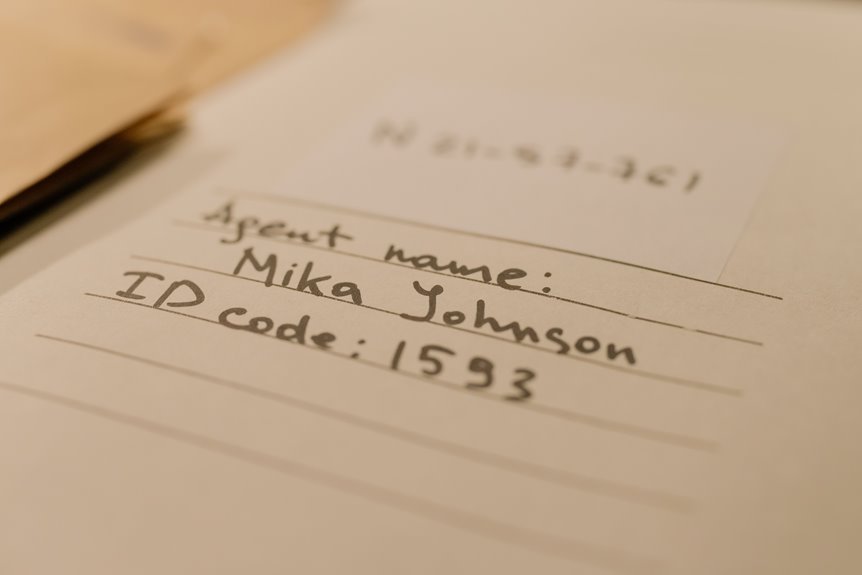
The TitanMatrix Operational Archive consolidates critical data, artifacts, and metadata under a governed, auditable framework. Deterministic categorization, scalable indexing, and strict access controls define its core capabilities. Lifecycle policies, recall, and disposal procedures align with compliance and privacy requirements. The five IDs illustrate governance, security, and traceability in practice. This approach promises transparent stewardship and rapid retrieval for engineers, investigators, and decision-makers, yet raises questions about how cycles adapt to evolving regulatory demands and operational stresses.
TitanMatrix Operational Archive: Core Capabilities and Scope
The TitanMatrix Operational Archive is a curated repository designed to preserve and organize critical operational data, artifacts, and metadata across hierarchical layers of archival rigor. It defines core capabilities, scope, and interfaces with design governance, access controls, audit trails, and data retention.
The architecture emphasizes deterministic categorization, scalable indexing, secure replication, metadata fidelity, and lifecycle management for enduring operational insight.
How the Five IDs Drive Governance, Security, and Compliance?
Which factors do the Five IDs illuminate to strengthen governance, security, and compliance within the TitanMatrix Operational Archive? The framework articulates access discipline, auditable separation of duties, and deterministic policy enforcement. It clarifies privacy controls and data lineage, ensuring traceable actions, accountable stewardship, and consistent risk management across custody, retrieval, and retention activities—without compromising operational freedom or user autonomy within the archive.
From Indexing to Lifecycle Policies: Enabling Rapid Access and Auditability
Indexing serves as the foundational map for rapid retrieval, while lifecycle policies convert that map into enforceable controls that govern retention, recall, and disposal.
The approach aligns indexing workflows with lifecycle automation to extend rapid access while preserving audit trails and security auditing.
Governance reporting and policy enforcement clarify data retention, ensuring transparent, precise control over archival accessibility and compliance.
Real-World Benefits for Engineers, Investigators, and Decision-Makers
Real-world benefits emerge when engineers, investigators, and decision-makers leverage structured archival systems to accelerate discovery, ensure traceability, and support rapid yet compliant decision workflows. This clarity enables targeted collaboration, safer risk assessment, and measurable performance improvements within innovation governance.
Clear data lifecycle management reduces redundancy, enhances reproducibility, and informs policy, enabling disciplined experimentation, auditable decisions, and sustained organizational learning.
Frequently Asked Questions
How Are the Five IDS Generated and Assigned?
Five IDs are generated deterministically, then mapped to user identities; the system performs identity mapping and assigns tokens, ensuring controlled access. Access controls are layered, audited, and enforced, with each ID linked to defined permissions and accountability.
What Data Formats Are Supported for Ingestion?
Data formats supported include JSON, CSV, Parquet, and XML, ensuring ingestion compatibility across pipelines. The system enforces user group permissions, handles archival exceptions, and supports offline access, with robust validation and precise, meticulous ingestion workflows.
Can Archival Policies Be Customized per User Group?
Yes, archival policies can be customized per user group. The system supports customizable access and policy exceptions, enabling tailored retention and permissions while preserving overarching governance and security standards for each defined group.
How Does the System Handle Data Retention Exceptions?
The system handles data retention exceptions through structured exception handling, aligning with archival policies and access restrictions; user groups influence customization, offline access, and ingestion workflows, while data formats remain standardized. Exception handling ensures compliant preservation amid evolving retention needs.
Is There an Offline Access Option for Restricted Data?
There is no offline access for restricted data; safeguards enforce online-only handling. Data formats remain standardized, with strict controls. Offline access is not permitted, preserving governance and user autonomy while ensuring security, traceability, and compliance across governed repositories.
Conclusion
The TitanMatrix Operational Archive stands as a rigorously governed vault of critical data, artifacts, and metadata, woven through deterministic categorization and scalable indexing. With precise access controls and auditable separation of duties, it ensures traceable stewardship and compliant retrieval. As policies enforce retention and disposal, the system quietly secures every transaction. Yet the true suspense unfolds in the moments when engineers, investigators, and decision-makers confront the archive’s latent capabilities, ready to reveal answers only when most needed.