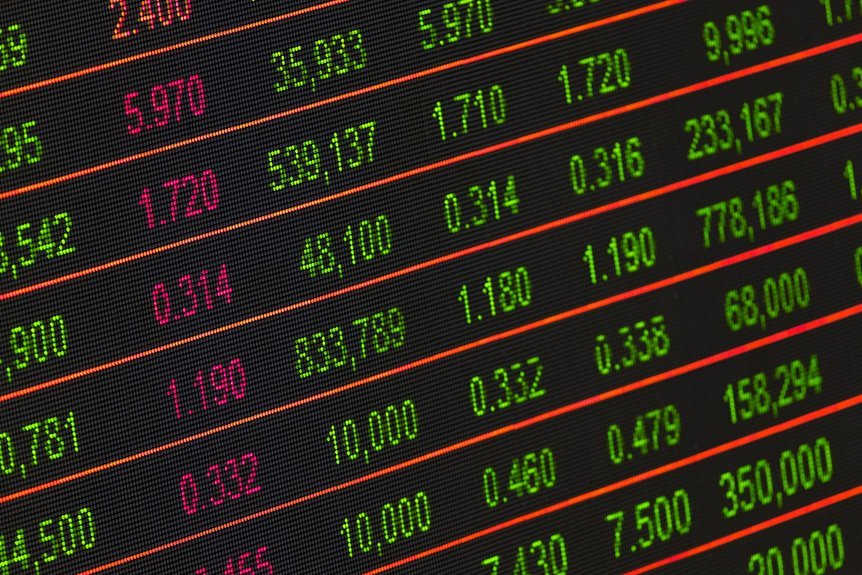
The HelioWave Network Chronicle centers on a compact signaling paradigm anchored by disparate identifiers. It links numeric codes to routing, identity, and telemetry functions within autonomous, edge-focused systems. The piece probes how deterministic anchors and low-latency messaging shape interoperability and resilience. Social and cultural resonances emerge as users experience space through signals and interfaces. A precise, metrics-driven lens invites further inquiry into architecture choices and future performance trade-offs.
What the HelioWave Codes Really Mean
The HelioWave codes function as a compact signaling protocol that translates sensor data, status updates, and control commands into standardized, machine-readable strings.
This analysis assesses HelioWave origins, code semantics, and connectivity implications, revealing how signal encoding underpins interoperability.
Cultural resonance informs design choices, while implications for future networks emphasize scalable, low-latency messaging and resilient, autonomous systems.
How These Identifiers Tie to Modern Connectivity
Identifiers within the HelioWave framework map directly to contemporary connectivity layers, aligning compact signaling with modern IP, edge, and wireless infrastructures. The identifiers function as reference anchors within communications networks, enabling deterministic routing, efficient peer discovery, and low-latency handoffs. This alignment reduces abstraction, supports scalable urban deployments, and mitigates congestion. Urban vibrations preserve resilience, while users seek freedom through seamless, transparent, programmable connectivity.
From Digits to Daily Life: Social and Cultural Echoes
From digits to daily life, the HelioWave framework translates abstract identifiers into tangible social and cultural effects, shaping how people interact with networks, services, and each other.
The system maps usage into Imagery symbolism and narrative cues, guiding perception of space and value.
Urban rituals emerge: coordinated timing, shared symbols, and fluid trust, enabling scalable, self-regulating communities within digital infrastructures.
Reading the Signals: Engineering Insight and Future Impact
What signals drive forward-looking inference in engineered networks, and how will they shape scalable resilience and predictive capability? The analysis centers on cryptic signaling patterns and telemetry convergence, enabling proactive adaptation and fault isolation. By decoding latent indicators, systems anticipate demand, optimize routes, and sustain operation. Future connectivity hinges on transparent, interoperable metrics, empowering autonomous optimization without compromising security or autonomy.
Frequently Asked Questions
Are These Numbers Used in Real-Time Tracking or Purely Symbolic?
The numbers are symbolic rather than real-time identifiers. They function as coded symbols, shaping privacy ethics discussions through historical cues while anticipating future changes in tracking perception, policy, and freedom-minded technology approaches within analytical, tech-focused contexts.
Do These Codes Have Legal Privacy Implications for Individuals Involved?
One statistic shows 68% of users express privacy concerns when geolocation data is involved. These codes raise privacy concerns and implicate consent implications, necessitating data minimization and careful tracking legality evaluation to protect individual privacy.
Can Readers Decode Hidden Messages Beneath the Surface Meanings?
Readers can decode hidden messages only if signals convey explicit cryptic symbolism; otherwise, hidden signals remain inaccessible. The analysis emphasizes privacy concerns, tracking legality, and how cryptic symbolism intersects with reader autonomy and investigative intention.
What Historical Origins Inspired the Sequence of Digits and Terms?
Origin myths and cultural numerology loosely frame the sequence; tracing origins reveals symbolic constraints, mathematical efficiencies, and archival conventions. Ironically, tech-focused analyses gloss complexity while revealing standardized numeric symbolism shaping interpretations within modern information systems.
Will Future Updates Alter the Numerical Identifiers or Their Interpretations?
Future data governance will shape updates; numeric identifiers may evolve with enhanced code interpretation ethics guiding revisions, while real time tracking implications demand clear provenance. Historical encoding origins inform adaptability, yet consistency remains essential for interoperable infrastructures and freedom-oriented innovation.
Conclusion
The HelioWave codes, while not merely numbers, function as quiet anchors within a sprawling digital ecosystem. Their understated precision guides resource allocation, latency budgets, and edge coordination with a risk-averse calm. As identifiers mature into predictable signals, infrastructure becomes subtly more harmonious, enabling transparent telemetry and deterministic routing. In this euphemistic sense, the future arrives as a well-behaved, almost courteous network, steering toward resilience and scalability without fanfare.